Paediatric (Children's) Physiotherapy — Orion Family Physiotherapy
Paediatric Physiotherapy · Springfield
Helping little bodies move, play
& grow with confidence.
From first wobbly steps to playground adventures, paediatric physiotherapy
supports babies, children and teens to participate in everyday life — gently,
practically, and with the whole family alongside.
No referral requiredBook directly — trust your instincts, early advice is welcome.
Family-centred careTailored to your child's goals, strengths and interests.
NDIS friendlyGoal-based therapy, reports, equipment & team collaboration.
Paediatric Physiotherapy & How We Can Help
Supporting babies and children to move, play and participate with confidence.
If you have any concerns about your child's movement, strength, coordination or
development, early support can make a meaningful difference. You don't need a
diagnosis or referral to seek advice — many families simply notice that something
doesn't feel quite right. Trusting those early instincts and seeking guidance
helps your child build strong foundations for future development.
Early identification and intervention of apparent problems are paramount to help children develop to their maximal potential. We can help.
— Orion Family Physiotherapy
Paediatric Physiotherapy can support children who may have
Signs early support can help
Delays in gross motor development — rolling, sitting, crawling, standing, walking, running or jumping
A strong preference to turn or move one way, differences between the two sides of the body, or a flat spot on the head
Obvious differences in hand or leg use, or early hand preference
Awkward postures or movement patterns — toe walking, in-toeing, stiffness or low muscle tone
Balance and coordination difficulties, frequent falls or challenges keeping up with peers
Reduced strength, endurance or postural control affecting everyday activities
Difficulties participating in playground activities, sport or active play
Challenges with fine motor control — holding crayons, pencils or utensils
Low confidence with movement, or hesitation in physical play
Pain, hypermobility, growing pains or recurrent injuries
Learning or concentration challenges impacted by physical difficulties such as low muscle tone
Neurological, developmental or genetic conditions affecting movement and function
Difficulties with motor planning, body awareness or coordination
Support needs for school readiness and physical independence
Consideration of equipment — orthotics, supportive seating or mobility aids where required
Our paediatric caseload includes infants, toddlers, school-aged children and
adolescents with a range of developmental, neurological, musculoskeletal and
disability-related presentations.
01
Developmental Delay & Gross Motor Skills
Supporting children who may be delayed with milestones such as sitting,
crawling, walking, running, jumping, balance and coordination. Therapy
focuses on building strength, confidence, movement skills and participation
in daily activities.
02
Autism Spectrum Disorder (ASD)
Working with children with ASD to support coordination, body awareness,
sensory-motor challenges, emotional regulation, postural control and
participation across home, school and community settings through
movement-based therapy.
03
Cerebral Palsy & Neurological Conditions
Physiotherapy for children with cerebral palsy, developmental syndromes,
neuromuscular and other neurological presentations — supporting mobility,
balance, strength, postural control and functional independence. Approaches
may include NDT-informed therapy and Dynamic Movement Intervention (DMI Level A)
principles where appropriate.
04
Hypermobility, Low Tone & Core Stability
Supporting children who may tire easily, present with reduced postural
control, decreased endurance, joint hypermobility or coordination
difficulties. Therapy aims to improve stability, strength and overall
movement efficiency.
05
Toe Walking & Gait Concerns
Assessment and management of toe walking, altered gait patterns, flat feet,
reduced balance or lower limb biomechanical concerns. Treatment may include
strengthening, stretching, motor retraining, sensory strategies, and
footwear or orthotic guidance where appropriate.
06
Balance, Coordination & Motor Planning
Supporting children who may appear clumsy, avoid physical activity, trip
frequently, or have difficulty with age-appropriate gross motor skills such
as hopping, skipping, jumping and playground participation.
07
School Readiness & Functional Participation
Supporting the physical foundations required to participate confidently in
school environments — posture, coordination, endurance, movement confidence
and motor planning skills.
08
NDIS Paediatric Physiotherapy
Ongoing, goal-based physiotherapy for children accessing NDIS supports —
therapy intervention, mobility support, equipment recommendations, home
programs, report writing, and collaboration with families, schools and
allied health teams.
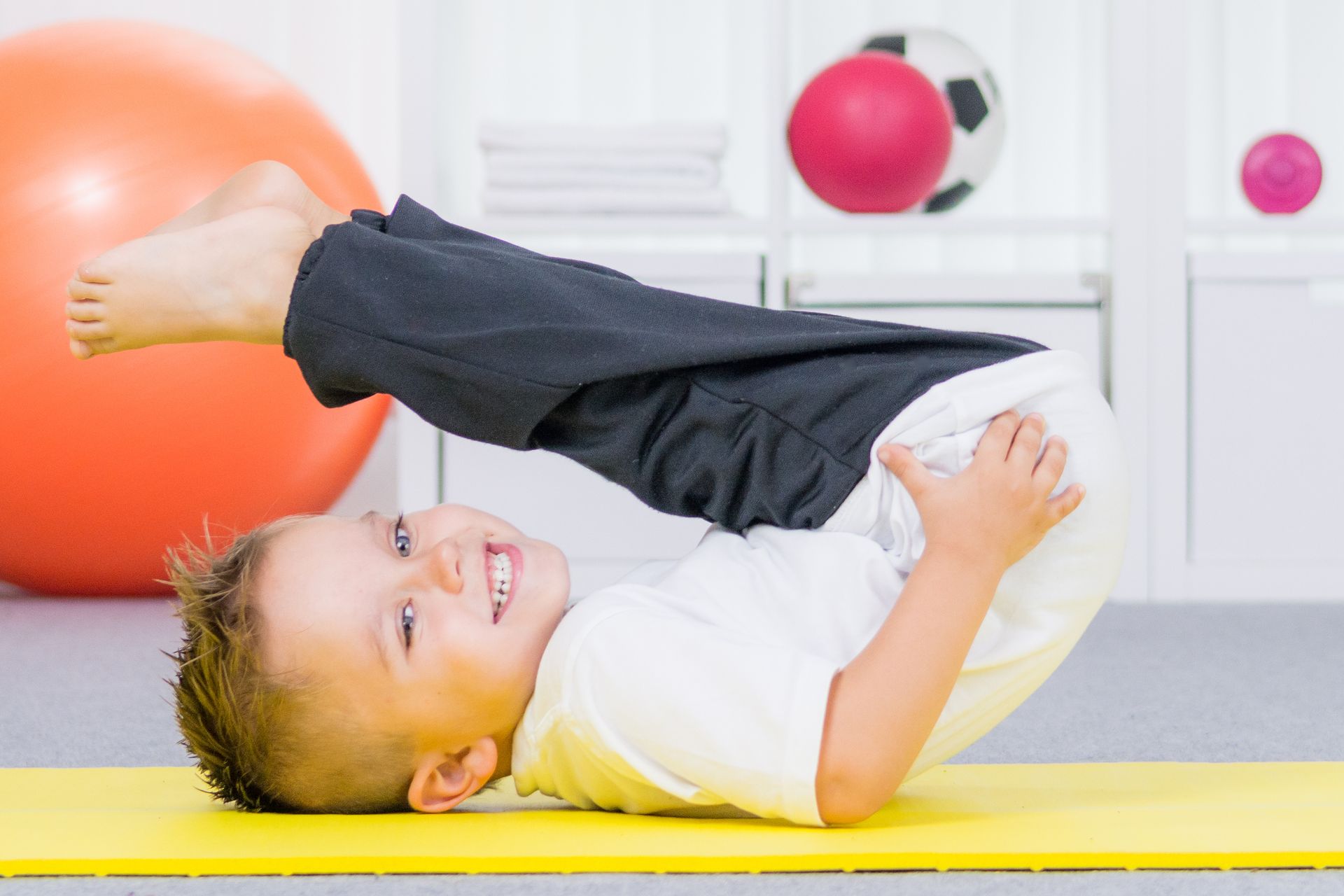
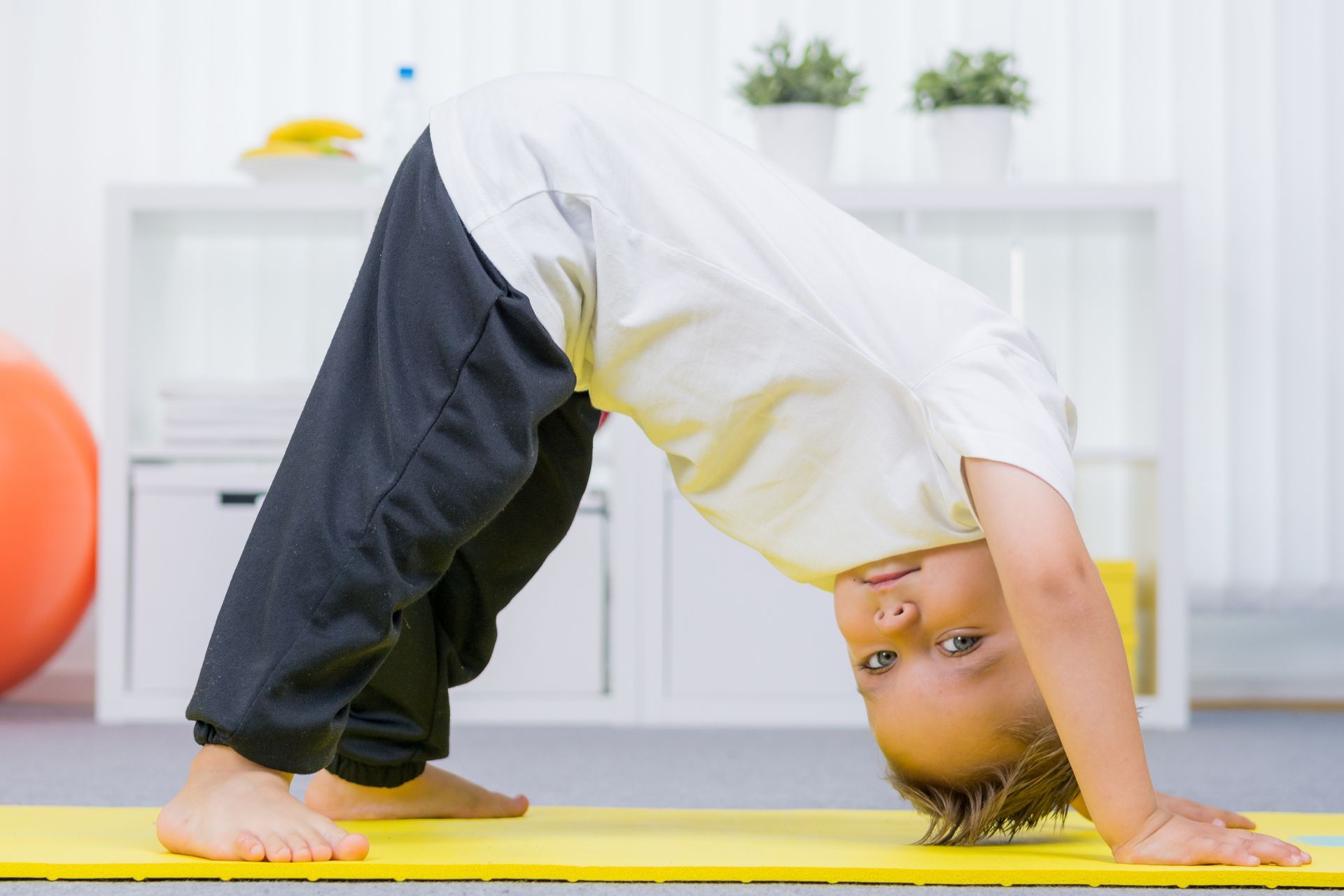
Sessions are kept engaging, practical, and tailored to each child's individual goals, strengths and interests.
Early Support Matters
The earliest years are the biggest opportunity.
Early intervention can begin even before a diagnosis is confirmed. The
first years of life are a critical time for growth and development, and
children respond best when support is introduced early.
Whether you have clear concerns or simply want reassurance, we're here to
support both you and your child every step of the way.
01
Gentle guidanceReassurance and practical strategies while your child is growing.
02
No diagnosis neededSupport can start the moment something doesn't feel quite right.
03
Play-based therapyEngaging, functional sessions built around your child's interests.
Ready When You Are
Let's chat about your child.
Book an assessment or get in touch with our friendly team — no referral
needed. We'll listen carefully and help you take the next step with confidence.